
Online gaming has transformed the way people interact through play. Unlike traditional games that are often limited to local settings or small groups, online games connect players across regions and cultures in real time. This social dimension has become one of the defining characteristics of modern gaming, influencing how players communicate, collaborate, and build relationships within digital environments.
Real Time Interaction and Communication
One of the biggest reasons online gaming feels more social than traditional games is real time interaction. Players can communicate instantly through text chat, voice chat, or in game signals. This constant communication allows players to strategize, share reactions, and respond to events as they happen. Traditional games often rely on turn based play or physical presence, which limits the speed and scale of interaction.
Online games also create shared experiences. Players participate in the same events, challenges, and updates, which gives them common topics to discuss. Whether it is completing a difficult mission or reacting to a surprise update, these shared moments strengthen social bonds. Over time, players develop familiarity with teammates and opponents, making interactions feel personal rather than anonymous.
Community Building Beyond Gameplay
Online gaming extends social interaction beyond the game itself. Players often gather in forums, social media groups, and messaging platforms to discuss strategies, updates, and personal experiences. These spaces allow conversations to continue even when players are not actively gaming. Communities form around shared interests, play styles, or long term participation in a specific game.
These communities often support learning and cooperation. Experienced players guide newcomers, answer questions, and share advice. Technical discussions are also common, including topics like common security checks for mega888 apk, which help players understand how to protect their accounts and devices. This exchange of knowledge creates trust and reinforces a sense of belonging within the community.
Cooperative and Competitive Social Dynamics
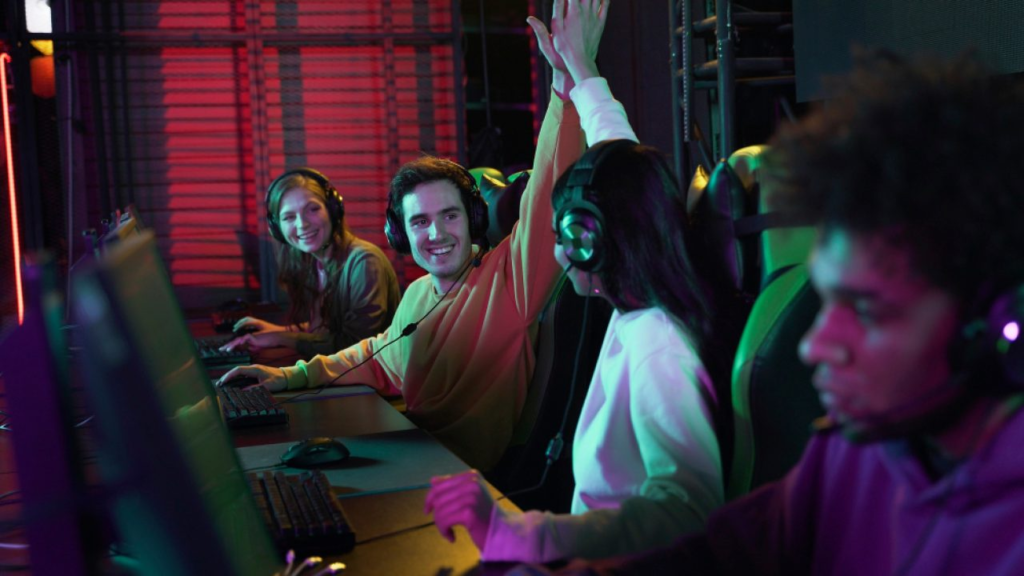
Online games are designed to encourage social behavior through cooperative and competitive modes. Cooperative gameplay requires players to work together toward shared goals. This builds communication skills, trust, and teamwork. Players learn to rely on each other, which strengthens social connections over time.
Competitive modes add another layer of social interaction. Leaderboards, rankings, and tournaments create shared challenges that players discuss and compare. Friendly rivalry often leads to conversations, rematches, and long term engagement. Even competition encourages social behavior by giving players a reason to interact, analyze outcomes, and improve together.
Game developers also use social features like friend lists, guilds, and matchmaking systems to support interaction. These tools make it easier for players to find others with similar interests and skill levels. As a result, gaming becomes a recurring social activity rather than a one time experience.
Conclusion
Online gaming is more social than traditional games because it combines real time interaction, community building, and shared experiences on a global scale. Players communicate constantly, form communities beyond gameplay, and engage in cooperative and competitive activities that encourage connection. Discussions around topics such as common security checks for mega888 apk further show how players support each other beyond entertainment. Together, these elements demonstrate how online gaming has evolved into a powerful social platform that brings people together through play.
